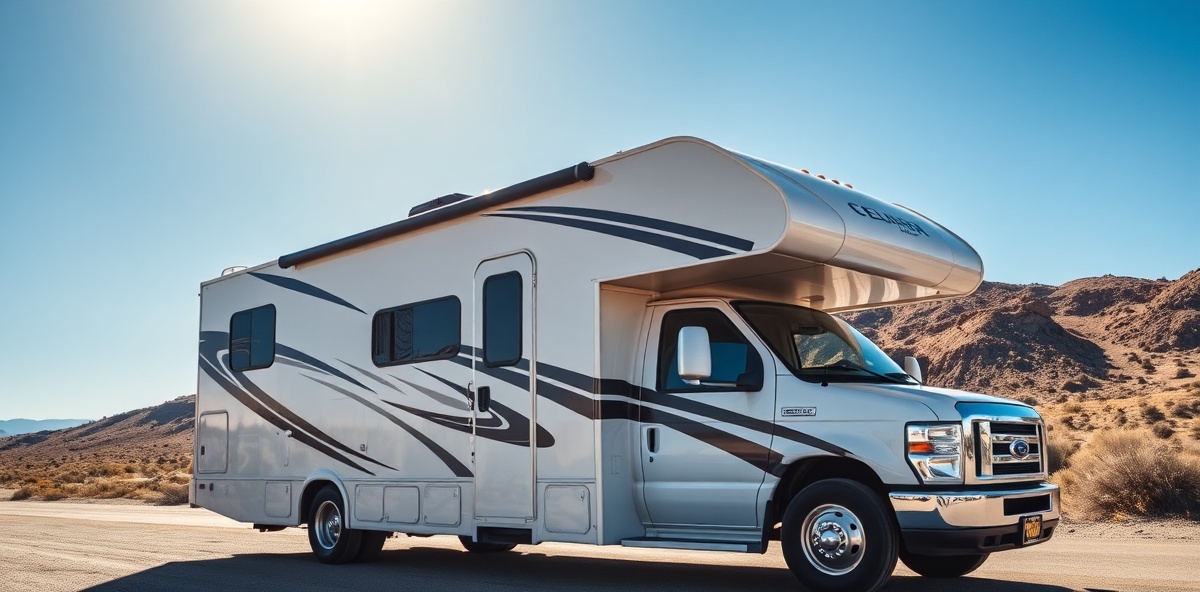
How to Prevent Your RV from Oxidizing in the Boise Sun: Ceramic Coatings and Montan Wax Solutions
Boise’s intense high-altitude desert sun accelerates RV oxidation faster than most North American regions. Learn proven protection strategies using professional ceramic coatings and heat-resistant montan wax to preserve your investment.
If you own an RV and spend any amount of time in Boise or the Treasure Valley, you’ve likely noticed the harsh reality: our beautiful, sunny climate is absolutely brutal on vehicle finishes. With over 300 days of sunshine annually, elevation above 2,600 feet, and intense UV exposure that’s amplified by clear desert air, RVs oxidize faster here than in most other regions.
The chalky white coating that appears on unpainted fiberglass or gel coat isn’t just cosmetic—it’s a sign that your RV’s protective layer is breaking down, and without intervention, that oxidation penetrates deeper into the material, causing structural damage, color loss, and eventual expensive repairs.
This guide covers the science behind RV oxidation in Boise’s environment, and the most effective protection solutions: professional-grade ceramic coatings and specialized montan wax formulations designed for high-heat climates.
Understanding RV Oxidation in Boise’s Climate
Why Boise is Particularly Harsh for RV Finishes
Boise’s climate presents a perfect storm for oxidation:
- Intense UV Radiation: At 2,700+ feet elevation, the atmosphere filters less UV radiation than sea-level cities. Boise receives roughly 20% more direct UV exposure than coastal areas.
- Extreme Temperature Swings: Summer highs exceed 95°F, and clear desert nights drop significantly. These thermal cycles stress paint and gel coat, causing micro-cracking.
- Low Humidity, High Evaporation: Dry air accelerates moisture evaporation from protective coatings, causing them to degrade faster than in humid climates.
- Clear Skies Year-Round: Unlike regions with cloud cover or seasonal cloudiness, Boise’s 300+ sunny days mean constant, uninterrupted UV exposure.
How Oxidation Occurs on RV Gel Coat
RV fiberglass bodies are typically covered in gel coat, a resin-based layer designed to protect the fiberglass underneath. When exposed to UV radiation, oxidation progresses through distinct stages:
| Stage | What Happens | Severity |
|---|---|---|
| 1. Initial Stage | UV rays break chemical bonds in the gel coat, causing micro-cracks | Reversible with early intervention |
| 2. Progressive Degradation | The protective layer loses its gloss, becoming chalky and dull | Reversible with professional polishing |
| 3. Penetration | Water infiltrates cracks, leading to delamination (separation of layers) | Requires professional restoration |
| 4. Structural Damage | Moisture reaches the fiberglass, causing rot, mold, and structural weakening | Expensive gel coat repair/replacement needed |
Critical Note: Once oxidation reaches stage 3 or 4, restoration requires expensive professional gel coat repair or replacement—not merely surface refinishing. Prevention during stages 1–2 is essential.
Prevention Strategy #1: Professional Ceramic Coatings
Why Ceramic Coatings Excel in Boise Conditions
Professional ceramic coatings create a permanent or semi-permanent chemical bond with your RV’s gel coat, forming a nano-ceramic shield that:
- Blocks 95%+ of UV Rays: Unlike wax or sealants, ceramic coatings have built-in UV blockers
- Hydrophobic Protection: Repels water, preventing moisture infiltration into cracks
- Extreme Heat Tolerance: Ceramic layers remain effective even when surface temperatures exceed 140°F—common on RV roofs in summer sun
- Durability: 2–7 years of protection, eliminating the need for frequent reapplication
The Ceramic Coating Application Process
Professional ceramic coating application is comprehensive:
- Decontamination: Deep wash to remove all surface contaminants, salt residue, and oxidation
- Clay Bar Treatment: Removes embedded particles that prevent bonding
- Paint Correction (if needed): Polishing to remove existing oxidation, swirls, and minor imperfections
- Coating Application: Multiple thin layers applied in controlled conditions, allowed to cure fully
- Curing Period: 24–72 hours before washing; 1–2 weeks before full water exposure
For Boise RV owners, professional application is strongly recommended over DIY, because:
- High-altitude UV makes curing windows shorter and more critical
- Our intense heat can cause application errors (high spots, streaking)
- Improperly applied coatings are permanent and extremely difficult to remove
Cost and Longevity in Boise
For a 35–40 foot Class A motorhome in the Boise area:
- Professional ceramic coating: $1,500–$2,800
- Expected durability in Boise climate: 3–5 years (shorter than national average due to intense UV)
- Annual maintenance cost: Minimal; ceramic-specific shampoo and optional booster sprays
- ROI: Preserves resale value, prevents thousands in gel coat restoration
Top Ceramic Coating Brands for RVs
- System X Ceramic Coating: Specifically formulated for RVs, excellent UV resistance
- GYEON Q² Bathe: Premium finish with strong hydrophobic properties
- Ceramic Pro: Industrial-grade coating with extended durability claims
- Kamikaze Collection: Japanese formula with excellent heat tolerance
Prevention Strategy #2: Montan Wax for High-Heat Environments
Why Montan Wax Outperforms Carnauba in Boise Heat
While traditional carnauba wax is popular, montan wax is the superior choice for Boise RV owners. Here’s why:
Montan Wax Advantages:
- Higher Melting Point: Montan melts at ~90–100°C, compared to carnauba’s ~80°C. This means it remains stable on sun-baked RV surfaces
- Superior Heat Resistance: Maintains protective coating even when surface temperatures exceed 130°F
- Longer Durability: While still temporary compared to ceramic, montan lasts 4–6 months vs. carnauba’s 1–3 months in intense UV
- Refined Origin: Montan is fossilized plant wax from lignite deposits, creating a harder, more crystalline barrier
- Excellent Shine: Produces the warm, deep “wet look” carnauba enthusiasts love
Montan Wax Application Process
Montan wax is applied similarly to carnauba, but requires attention to heat:
- Clean Thoroughly: Wash, decontaminate, and dry completely
- Application in Cool Hours: Apply early morning or evening; high heat will cause hazing
- Thin, Even Coats: Apply in thin layers with foam applicator
- Buffing: Remove excess before haze sets (10–15 minutes in cool conditions; less in heat)
- Curing Time: Allow 12 hours before water exposure
Montan Wax Maintenance in Boise’s Climate
To maximize montan wax durability in our intense sun:
- Wash Every 2 Weeks: Frequent but gentle washing extends wax life by removing contaminants that degrade it
- Use pH-Neutral Soap: Never use dish soap or harsh detergents; these strip wax rapidly
- Avoid High-Pressure Washing: High pressure drives water under the wax, causing breakdown
- Reapply Every 4–5 Months: In Boise’s UV, plan quarterly reapplication rather than longer intervals
- Garage Storage: If possible, store RV in shade during extreme heat periods (June–August)
Cost and Longevity: Montan vs. Carnauba
| Factor | Carnauba Wax | Montan Wax |
|---|---|---|
| Cost per application (35–40 ft RV) | $400–$600 | $500–$750 |
| Durability in Boise | 1–2 months | 4–6 months |
| Heat resistance | Moderate | Excellent |
| Shine quality | Warm, deep | Warm, deep + slightly harder |
| Annual labor cost | $4,800–$7,200 | $1,500–$2,250 |
| Best for | Show vehicles, frequent users | Long-term protection, stored RVs |
For Boise RV owners, montan wax is the economical choice because its extended durability significantly reduces annual labor costs.
Oxidation Damage: Before and After
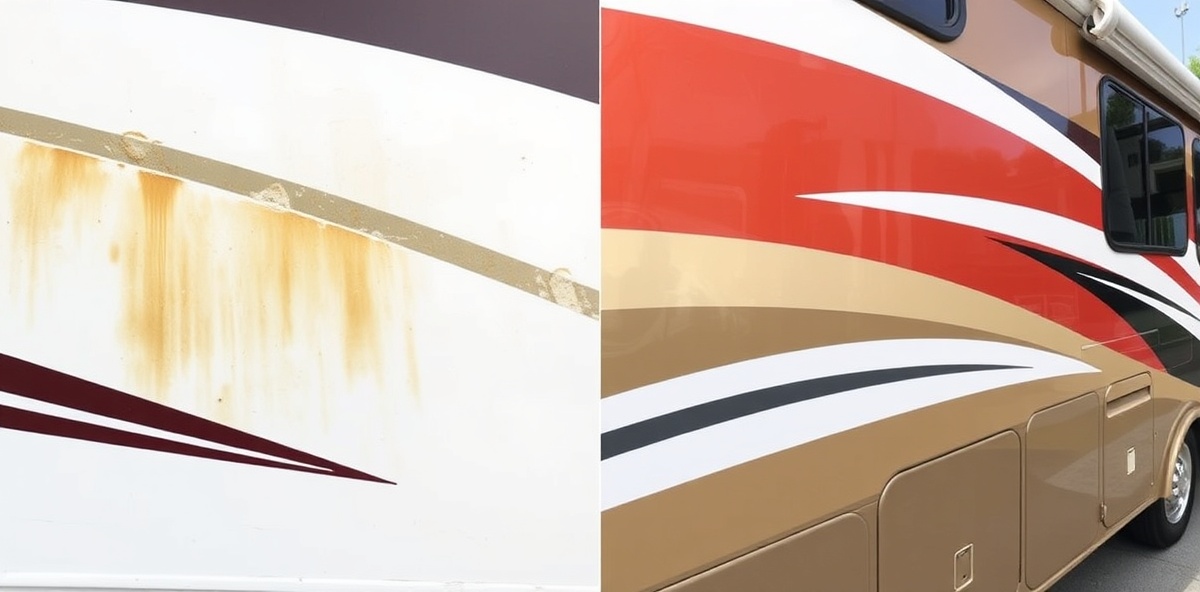
This comparison shows the dramatic difference protection makes. The left side displays advanced oxidation: chalky gel coat, dull colors, and weathered appearance. The right side shows a well-protected RV with vibrant colors, gloss, and structural integrity intact.
Once oxidation reaches the left-side condition, professional restoration costing $2,000–$5,000+ is required.
Combining Strategies: Layered Protection
The most cost-effective approach for Boise RV owners combines both strategies:
Year 1: Initial Investment
- Apply professional ceramic coating ($1,500–$2,800)
- Cost: ~$2,000–$2,800
Years 2–5: Maintenance
- Use ceramic-specific shampoo (monthly washing)
- Apply ceramic booster spray (every 3–6 months): $50–$100 per application
- Annual maintenance cost: $200–$400
Alternative: Montan Wax + Ceramic Spray Hybrid
- Annual montan wax application: $1,500–$2,250
- Ceramic spray booster (quarterly): $75–$200 total
- Annual cost: ~$1,800–$2,450
Winner for Boise: A full ceramic coating initially ($2,500 investment) followed by low-cost maintenance is the best long-term strategy, especially if your RV will be stored outdoors in summer.
Boise-Specific RV Oxidation Prevention Tips
Seasonal Strategies
Spring (March–May):
- Inspect for winter damage before the intense summer UV hits
- If planning a ceramic coating, apply now for full-year protection
- Start montan wax applications if not using ceramic
Summer (June–August):
- Store RV in shade or covered storage if possible (critical time for UV damage)
- Wash every 2 weeks to remove heat-degraded wax
- Avoid prolonged parking in direct sun; parking angle matters (rotate if possible)
Fall (September–November):
- Apply fresh montan wax or ceramic booster before winter storage
- Deep clean before storing; remove contaminants that oxidize during storage
Winter (December–February):
- Less intense UV, but dry air still degrades protective coatings
- Monthly inspection for any cracks or water infiltration
- Plan spring ceramic coating or major protection refresh
Boise-Area Storage Tips
If your RV is stored in the Boise area:
- Covered Storage: Best option; reduces UV exposure by 90%+
- Carport Storage: Moderate protection; better than nothing
- Full-Sun Storage: Requires ceramic coating and monthly montan wax reapplication
- Angle Away from West: Sun exposure from west (afternoon heat) is most intense
Professional Services for Boise RV Owners
Eagle Star Detail specializes in protecting RVs from Boise’s intense UV environment:
- Professional Ceramic Coating Application: Full surface ceramic coating with paint correction ($1,500–$2,800 for 35–40 ft Class A)
- Montan Wax Detailing: Expert application using heat-resistant formulations ($500–$750 per service)
- Oxidation Restoration: Gel coat polishing and restoration for already-damaged surfaces
- Seasonal Prep: Spring and fall protection services tailored to Boise’s climate
- Mobile Service: RVs are brought to your location—no transport needed
For Boise and Eagle-area RV owners, professional ceramic coating or montan wax application before summer is the single best investment you can make to prevent oxidation damage.
Maintenance Schedule for Boise RV Owners
If Using Professional Ceramic Coating
| Timeline | Action |
|---|---|
| Year 1, Month 1 | Initial ceramic coating application + cure |
| Year 1, Ongoing | Monthly wash with ceramic-specific shampoo |
| Year 1–2, Every 6 months | Ceramic booster spray application |
| Year 3–5 | Continue booster every 6 months |
| Year 5+ | Re-evaluate; coating may be thinning; consider reapplication |
If Using Montan Wax
| Timeline | Action |
|---|---|
| Every 4–5 months | Full montan wax reapplication (quarterly in Boise) |
| Every 2 weeks | Gentle wash with pH-neutral soap |
| Monthly | Visual inspection for oxidation or wax degradation |
| Before storage (Nov–Dec) | Fresh montan application before winter storage |
FAQ: RV Oxidation in Boise
Q: Is my RV’s oxidation permanent? A: Early-stage oxidation (chalky surface, dull finish) can be removed with professional polishing and restoration. Advanced oxidation (pitted, discolored, structural damage) requires gel coat repair or replacement. Prevention is far more cost-effective than restoration.
Q: Can I use carnauba wax in Boise? A: Yes, but montan is superior due to heat resistance. Carnauba will require reapplication every 1–2 months, making it labor-intensive. If you prefer the aesthetic of carnauba, use it on lower-visibility areas and montan on roof and sides (highest UV exposure).
Q: How often should I wash my RV in Boise? A: Every 2 weeks is ideal. Boise’s dust and UV-degraded wax residue accumulate quickly. Monthly is acceptable minimum; more frequent washing (weekly) extends any protective coating’s life.
Q: Does ceramic coating scratch easily? A: No. 9H ceramic coatings resist light scratches, minor swirls, and chemical etching. Deep gouges or impacts can still damage them, but normal maintenance washing causes no damage.
Q: Can I apply montan wax myself? A: Yes, montan application is a standard DIY project. However, Boise’s heat complicates application; high temperatures cause faster evaporation and hazing. Professional application is recommended for large RV surfaces.
Q: Which is better for resale value: ceramic coating or montan wax? A: Ceramic coating. Potential buyers view multi-year UV protection as a major value add. Montan wax, while protective, signals that more frequent maintenance is required.
Conclusion: The Boise RV Oxidation Solution
Boise’s high-altitude desert environment accelerates oxidation faster than almost any other North American RV destination. The sun’s intensity, thermal cycling, and 300+ days of clear skies make protection non-negotiable.
For maximum protection and peace of mind:
Invest in professional ceramic coating ($2,500 initial cost) for a durable, low-maintenance shield lasting 3–5 years. Follow up with annual maintenance (booster sprays and ceramic-specific washing). This provides the longest protection window and best resale value.
If budget is tight, use montan wax (quarterly applications, $1,500–$2,250 annually) as an excellent alternative. Montan’s heat resistance makes it ideal for Boise’s climate, and with disciplined washing every 2 weeks, it provides consistent protection without the premium price tag.
Either way, start protection immediately. Boise’s sun doesn’t wait, and oxidation damage you allow to accumulate today becomes thousands in restoration costs tomorrow.
Your RV is a significant investment—protect it with the same intensity that the Boise sun attacks it.
© 2026 RV Oxidation Prevention Guide | Specialized expertise for desert-climate RV protection. Eagle Star Detail serves Boise, Eagle, Meridian, and the entire Treasure Valley with professional ceramic coating and montan wax applications designed for high-altitude, high-UV environments.
About the Author
David Faustina
Founder & Certified Ceramic Coating Installer
David Faustina is a professionally trained and certified detailer specializing in paint correction, ceramic coating installation, and RV detailing. As founder of Eagle Star Detail, he personally works on every vehicle to ensure premium results and customer satisfaction.
Ready to experience professional detailing?
Eagle Star Detail specializes in professional mobile detailing throughout Boise and the Treasure Valley.