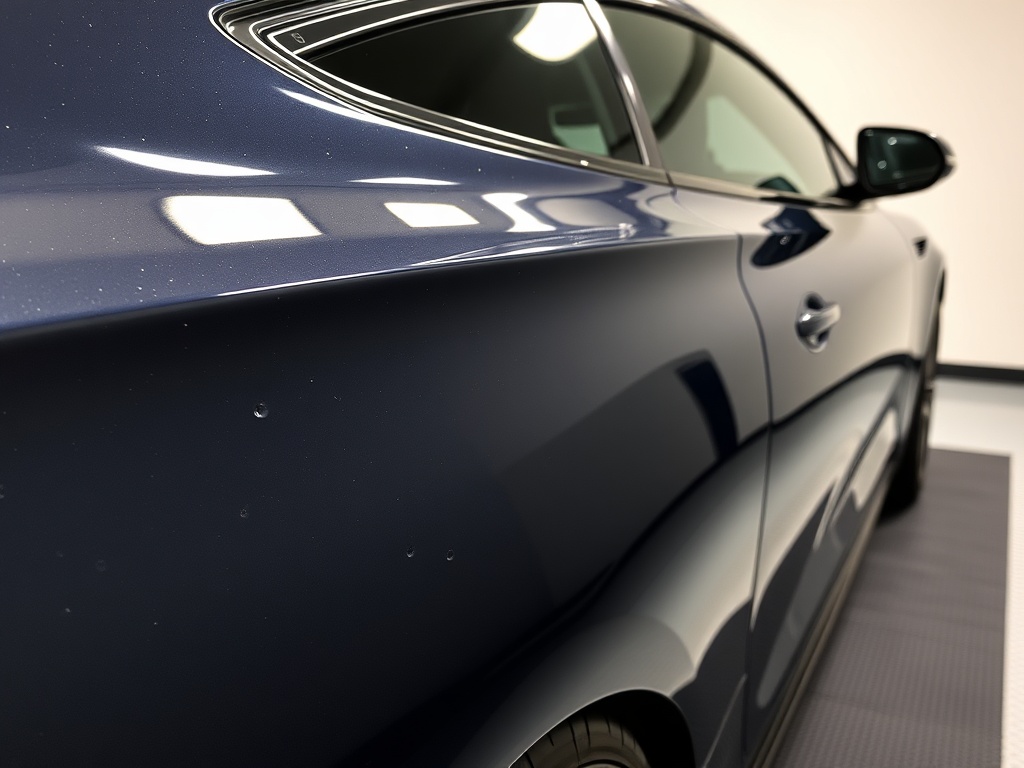
The Ultimate Expert Guide to Ceramic Coatings: System X and Professional Paint Protection
Ceramic coating represents a fundamental shift in how vehicle owners protect their investments. Unlike temporary solutions like wax or sealants, professional ceramic coatings create a permanent protective layer that can last years with proper maintenance. This comprehensive guide explores everything you need to know about ceramic coatings, with a focus on System X—the industry-leading professional ceramic coating system.
Table of Contents
- Ceramic Coating Fundamentals
- The Science Behind Ceramic Coating
- Introduction to System X: Industry Leadership
- System X Product Tiers Explained
- Key Benefits of Ceramic Coating
- Ceramic Coating vs. Traditional Protection Methods
- The Professional Application Advantage
- Paint Preparation: The Foundation of Success
- System X Performance in Various Climates
- Cost-Benefit Analysis and ROI
- Maintenance and Longevity
- Real-World Performance Data
- Common Misconceptions
- Choosing the Right Professional Installer
1. Ceramic Coating Fundamentals: What You Need to Understand
Ceramic coating is a liquid nanotechnology polymer that chemically bonds with your vehicle’s clear coat, creating a protective barrier measured in microns (typically 1-2 microns thick, depending on application). This molecular-level protection is fundamentally different from traditional wax or paint sealants, which merely sit on top of the clear coat without bonding chemically.
The Chemistry of Ceramic Coating
When properly applied, ceramic coating molecules form silica (SiO2) chains that cross-link with your vehicle’s clear coat at a molecular level. This process, known as hydrolysis and condensation, creates a semi-permanent bond that becomes harder and more durable than the clear coat itself.
This is why ceramic coating doesn’t simply wash off like wax. Instead, it gradually wears away through use, UV exposure, and environmental contamination—typically lasting 2-10 years depending on:
- Quality of the product (professional-grade vs. consumer-grade)
- Application expertise (proper preparation and technique)
- Maintenance consistency (regular proper washing)
- Environmental conditions (UV exposure, salt air, industrial contaminants)
- Vehicle usage (daily driver vs. garaged vehicle)
Why Professional-Grade Matters
Consumer-grade ceramic coatings available online or in retail stores often claim similar benefits to professional coatings but fall short in critical ways:
- Lower solid content (less actual protective material per application)
- Different formulations designed for easier application by untrained users
- No warranty coverage since they lack professional installer accountability
- Inferior bonding due to less rigorous surface preparation in DIY applications
- Inconsistent durability ranging from 6 months to 2 years instead of 2-10 years
Professional-grade ceramic coatings like System X require certified installer training, proper equipment, and controlled application environments to achieve optimal results. The quality difference justifies the investment.
2. The Science Behind Ceramic Coating: Nanotechnology at Work
Understanding the science behind ceramic coating helps explain why it’s such an effective protection method and why professional application is non-negotiable.
Nanotechnology and Nanoparticles
Ceramic coatings are formulated with silicon dioxide (SiO2) nanoparticles suspended in a liquid carrier. These particles are incredibly small—a single nanoparticle measures about 1/100,000th the width of a human hair. At this scale, nanoparticles exhibit unique properties unavailable at larger scales.
When applied to your vehicle’s clear coat, these nanoparticles:
- Fill microscopic imperfections in the clear coat surface
- Bond chemically with the paint’s molecular structure
- Create a hard, hydrophobic surface resistant to contaminants
- Protect underlying paint from UV, oxidation, and chemical damage
Hydrophobic Properties Explained
The hydrophobic (water-repelling) nature of ceramic coating is one of its most visible benefits. Water doesn’t bond easily to the ceramic surface, so droplets form perfect spheres and roll off rather than spreading and leaving mineral deposits.
This hydrophobic property provides multiple protective benefits:
- Water beading prevents water spots from mineral deposits
- Self-cleaning action as dirt and contaminants are rinsed away with water
- Reduced water-based damage including spotting and etching
- Easier maintenance requiring less aggressive cleaning
The hydrophobic effect isn’t permanent—it gradually diminishes as the coating wears, but it’s one of the last properties to fade, extending the visible effectiveness of your coating throughout its lifespan.
Hardness and Durability
Professional ceramic coatings like System X achieve hardness ratings of 9H or 10H on the pencil hardness scale (where 10H is the highest). This hardness provides:
- Resistance to light scratching from automatic car washes or careless cleaning
- Protection from minor swirl marks that would affect uncoated paint
- Longevity against environmental wear from sand, dust, and road contaminants
- Maintains appearance longer than clear coat alone
However, ceramic coating is not scratch-proof. Intentional force, road hazards, or sharp impacts can still damage it. Its benefit is resistance to normal, incidental contact.
3. Introduction to System X: Setting the Industry Standard
System X ceramic coatings represent the pinnacle of professional-grade ceramic coating technology. As a certified System X installer, Eagle Star Detail works exclusively with this proven system because of its superior formulation, reliability, and customer satisfaction.
Why System X Leads the Market
System X has earned its reputation as an industry leader through:
USA Manufacturing Excellence: Unlike imported ceramic coatings, System X is manufactured in the United States under strict quality control standards. This ensures batch consistency, regulatory compliance, and accountability that imported products struggle to match.
Advanced Formulation: System X products are developed with the latest nanotechnology advances, creating coatings with:
- Superior adhesion to clear coats
- Enhanced hardness and durability
- Improved hydrophobic properties
- Better chemical resistance
- Longer effective lifespan
Comprehensive Product Range: System X offers multiple tiers designed for different needs and budgets, allowing professionals to recommend the right solution for each vehicle owner.
Professional Support Network: System X maintains a robust certified installer network with ongoing training, technical support, and quality assurance programs. This supports professional installers in delivering consistent results.
Warranty Backing: System X coatings come with manufacturer warranties that are transferable and reported to Carfax, protecting both vehicle value and owner investment.
4. System X Product Tiers Explained: Choosing the Right Level of Protection
System X offers three primary ceramic coating tiers, each engineered for specific performance requirements and warranty expectations.
Pro / Pro+™ Tier: Excellent Protection, Outstanding Value
Duration: 6-year warranty with proper maintenance Best For: Budget-conscious vehicle owners, daily drivers, those seeking entry-level professional ceramic coating
Pro / Pro+™ Characteristics:
- Professional-grade formulation with proven durability
- Excellent UV protection and chemical resistance
- Strong hydrophobic properties
- USA manufacturing with quality assurance
- Warranty coverage reported to Carfax
- Best value for budget-conscious buyers
Real-World Performance: Pro / Pro+™ delivers 4-6 years of effective protection under normal maintenance conditions in moderate climates. In harsh environments like high-altitude or coastal areas, expect 3-5 years. The coating maintains hydrophobic properties and appearance throughout this period.
Ideal Scenarios:
- Vehicles garaged during harsh weather
- Owners committed to regular maintenance washing
- Those prioritizing cost-effectiveness
- Second or third vehicles in a fleet
Max G+™ Tier: Premium Performance, Extended Durability
Duration: 10+ year warranty with proper maintenance Best For: Premium vehicle owners, those seeking extended protection, serious enthusiasts
Max G+™ Characteristics:
- Enhanced formulation with advanced nanotechnology
- 30% glossier finish compared to Pro tier
- Exceptional UV protection and durability
- Superior water beading throughout lifespan
- Extreme chemical resistance
- Designed for premium vehicles
Real-World Performance: Max G+™ delivers 8-12 years of superior protection in normal conditions, with the enhanced gloss and hydrophobic properties remaining noticeable throughout. Even in harsh climates, it typically maintains excellent performance for 6-10 years.
Ideal Scenarios:
- Luxury and sports vehicles
- Owners keeping vehicles long-term
- Those prioritizing appearance and gloss
- Vehicles in harsh environmental conditions
- Professional and fleet applications
Diamond SS™ Tier: Ultimate Protection, Lifetime Warranty
Duration: Lifetime warranty on eligible vehicles (with maintenance) Best For: Luxury vehicles, maximum investment protection, lifetime ownership commitment
Diamond SS™ Characteristics:
- Professional-grade, premium formulation
- Maximum hardness and durability
- Lifetime warranty on eligible vehicles
- Superior protection against all environmental factors
- Maintained gloss and appearance throughout warranty period
- Comprehensive coverage including warranty transfer
Real-World Performance: Diamond SS™ is engineered for indefinite protection when properly maintained. The coating provides consistent protection regardless of vehicle age or mileage, making it ideal for collectors, luxury owners, and those who plan to own their vehicle for many years.
Ideal Scenarios:
- High-end luxury vehicles
- Collector and specialty vehicles
- Owners planning to keep vehicles long-term
- Those wanting maximum peace of mind
- Fleet vehicles prioritizing total cost of ownership
5. Key Benefits of Ceramic Coating: Why Professionals Choose System X
Ceramic coating delivers numerous benefits that extend beyond simple paint protection. Understanding these comprehensive benefits helps explain why professional ceramic coating is a worthwhile investment.
Extended Paint Life and Resale Value
Your vehicle’s clear coat is its only defense against UV rays, oxidation, and environmental contaminants. Professional ceramic coating extends clear coat life by:
- Blocking UV rays before they reach the clear coat
- Preventing oxidation that dulls paint and reduces gloss
- Protecting against chemical etching from bird droppings, tree sap, and road salt
- Maintaining paint integrity long-term, preserving resale value
Vehicles protected with ceramic coating consistently command higher resale prices because the paint retains better condition. A five-year-old vehicle with professional ceramic coating can maintain the paint appearance of a two-year-old vehicle without coating.
For detailed information about ceramic coating’s impact on vehicle value, see our comprehensive guide to ceramic coating cost and value.
Superior UV Protection
Boise’s high-altitude location (about 2,700 feet elevation) means vehicles experience approximately 25% more UV exposure than lower-altitude regions. This accelerated UV exposure causes paint fading, oxidation, and micro-damage that compounds over time.
System X ceramic coatings provide:
- Multi-layer UV blocking preventing rays from reaching clear coat
- Anti-oxidation protection preventing chemical degradation
- Color preservation maintaining original paint depth and richness
- Gloss retention keeping paint looking new for years
Learn more about UV protection in our detailed guide to ceramic coating UV protection.
Hydrophobic Water Beading
The exceptional water beading provided by ceramic coating isn’t merely cosmetic—it provides real protective benefits. Water droplets that bead and roll off prevent:
- Water spots from mineral deposits bonding to paint
- Etching damage from standing water
- Mold and algae growth in water spots
- Contamination bonding to wet paint surfaces
Chemical Resistance and Environmental Protection
Your vehicle encounters numerous chemical threats daily:
- Bird droppings: acidic compounds that etch clear coat
- Tree sap: sticky contaminants that bond to paint
- Road salt: corrosive compounds especially harmful in winter
- Industrial fallout: microscopic particles from manufacturing areas
- Tar and asphalt: sticky residue from road surfaces
System X ceramic coating resists all these contaminants, preventing them from bonding to your paint. This means:
- Contaminants are easier to remove during washing
- Chemical damage to clear coat is prevented
- Paint remains undamaged longer
- Maintenance is less aggressive and time-consuming
Enhanced Gloss and Appearance
Beyond protection, ceramic coating delivers aesthetic benefits:
- Deep, premium gloss making your vehicle look freshly detailed
- Enhanced color depth making paint appear richer and more vibrant
- Increased light reflection creating a showroom-quality finish
- Consistent appearance throughout the coating’s lifespan
The gloss enhancement is particularly noticeable on black, dark red, and dark blue vehicles where depth and clarity are most visible.
Simplified Maintenance and Cost Savings
While ceramic coating requires professional installation, it significantly reduces ongoing maintenance costs:
- Less frequent washing needed compared to uncoated vehicles
- Gentler washing techniques sufficient due to coating durability
- No waxing required eliminating seasonal maintenance
- Easier dirt removal as contaminants don’t bond as tenaciously
- Lower overall maintenance costs over the coating’s lifespan
6. Ceramic Coating vs. Traditional Protection Methods: A Comprehensive Comparison
Understanding how ceramic coating compares to other protection methods helps justify the investment and explains why professionals prefer System X.
Ceramic Coating vs. Traditional Wax
Wax Protection
- Durability: 3-6 months
- Protection level: Light surface protection
- Maintenance: Requires monthly application
- Cost: Low ($20-50 per application)
- Annual cost: $240-600
- Lifespan: Requires reapplication every season
- Gloss: Moderate enhancement
Ceramic Coating
- Durability: 2-10 years depending on tier
- Protection level: Comprehensive molecular-level protection
- Maintenance: Annual or semi-annual professional detailing
- Cost: $300-1,500 for professional installation
- Annual cost: $15-75 for maintenance
- Lifespan: Extends to years with single application
- Gloss: Superior, lasting enhancement
Conclusion: While wax costs less upfront, ceramic coating’s durability and protection justify the investment over time. Most vehicle owners break even within 3-4 years and save substantially thereafter.
Ceramic Coating vs. Paint Sealants
Paint Sealant
- Durability: 6-12 months
- Protection level: Moderate
- Maintenance: Requires biannual reapplication
- Cost: $100-300 per application
- Annual cost: $200-600
- Gloss: Good enhancement
- Protection mechanism: Chemical bonding (temporary)
Ceramic Coating
- Durability: 2-10 years
- Protection level: Comprehensive
- Maintenance: Annual detailing
- Cost: $300-1,500 initial
- Annual cost: $15-75
- Gloss: Superior
- Protection mechanism: Molecular bonding (semi-permanent)
Conclusion: Sealants bridge wax and ceramic coating but fail to match ceramic’s longevity or protection. Ceramic coating outperforms sealants significantly by year two.
For a detailed comparison of ceramic coating with wax, see our comprehensive article: Ceramic Coating vs. Wax.
7. The Professional Application Advantage: Why DIY Falls Short
The difference between professional System X installation and DIY ceramic coating applications is substantial. Professional installation isn’t simply “applying the same product better”—it’s the difference between success and failure.
Professional-Grade Equipment
System X professional installation requires equipment most DIY enthusiasts don’t possess:
Climate-Controlled Application Environment
- Maintains optimal temperature for curing
- Prevents dust contamination during application
- Ensures proper hydrolysis and condensation
- Creates consistent results
Professional Lighting
- Specialized lighting reveals imperfections invisible in standard light
- Ensures complete and even coverage
- Identifies any missed areas or streaking
Surface Preparation Equipment
- Clay bar treatments remove bonded contaminants
- Machine polishing corrects swirl marks and scratches
- Compressed air systems remove dust and moisture
- IPA (Isopropyl Alcohol) wipe-down removes residual contaminants
Professional Technique and Training
Certified System X installers undergo rigorous training covering:
- Proper dilution ratios ensuring correct nanoparticle concentration
- Application timing preventing degradation before bonding
- Spreading technique achieving optimal thickness without excess
- Curing protocols ensuring complete molecular bonding
- Environmental management preventing contamination during application
Improper technique leads to:
- Streaking and uneven coverage reducing protection effectiveness
- Insufficient bonding causing premature coating failure
- Over-application creating hard spots and haze
- Substrate contamination preventing proper adhesion
Paint Preparation: The Foundation
Professional ceramic coating installation begins long before the coating is applied. Proper paint preparation determines the coating’s success:
Paint Correction for Optimal Results
Many vehicles have existing paint damage including:
- Swirl marks from automated car washes
- Micro-scratches from improper washing
- Oxidation from UV exposure
- Etching from bird droppings or tree sap
- Water spots from mineral deposits
Professional detailers perform paint correction before ceramic coating application. This involves:
- Clay bar treatment removing bonded contaminants
- Machine polishing removing light scratches and swirl marks
- Multi-stage paint correction for severely damaged paint
Our detailed guide to paint correction before ceramic coating explains this critical step.
Surface Preparation Protocol
Even properly corrected paint requires meticulous preparation:
- Thorough washing removing all surface contaminants
- Decontamination using specialized products for tar, fallout removal
- IPA wipe-down removing residual oils and silicones from previous products
- Dust-free environment preventing recontamination
- Panel-by-panel application ensuring complete coverage with optimal timing
Warranty and Accountability
Professional System X installation comes with:
- Manufacturer warranty backed by System X
- Installer warranty covering application quality
- Warranty transfer protecting subsequent owners
- Carfax reporting documenting protection in vehicle history
- Recourse for problems through certified installer network
DIY ceramic coating applications have:
- No warranty coverage (consumer products specifically disclaim warranties)
- No accountability for improper application
- No recourse if the coating fails prematurely
- No documentation in vehicle history
8. Paint Preparation: The Foundation of Ceramic Coating Success
Professional ceramic coating is only as effective as the paint surface beneath it. Proper preparation is non-negotiable for optimal results.
Understanding Your Paint’s Current Condition
Before ceramic coating installation, professional detailers assess paint condition to determine required preparation:
Minor Paint Damage
- Light swirl marks from automated car washes
- Minor dust scratches from improper cleaning
- Correction needed: Clay bar + light polishing
Moderate Paint Damage
- Visible water spots from hard water
- Light oxidation on clear coat
- Weathering from exposure
- Correction needed: Clay bar + single-stage polish + potentially two-stage correction
Severe Paint Damage
- Heavy oxidation from years of sun exposure
- Deep etching from bird droppings or tree sap
- Significant swirl marks from improper care
- Correction needed: Multi-stage paint correction (two-stage or three-stage compound and polish)
Paint Correction Process
Professional paint correction involves systematic processes:
Stage 1: Decontamination
- Clay bar treatment removes bonded contaminants
- Chemical decontaminants remove fallout and tar
- Proper wash technique removes loose contaminants
- Creates clean surface for assessment
Stage 2: Damage Assessment
- Specialized lighting reveals all paint defects
- Professionals determine correction strategy
- Single-stage vs. multi-stage correction decision
- Approach varies based on paint type (soft vs. hard clear coats)
Stage 3: Polishing Process
- Cutting compound removes scratches, swirl marks, oxidation
- Sequential polish grades refine the finish
- Final polish creates smooth, swirl-free surface
- Final inspection ensures complete correction
Why Professional Correction Matters
The difference between professional paint correction and DIY attempts is significant:
Professional Results
- Complete removal of visible paint defects
- Optimal gloss before ceramic application
- Ceramic coating bonds to flawless surface
- Maximum protective and aesthetic benefits
DIY Results
- Incomplete correction of paint defects
- Suboptimal gloss before ceramic application
- Coating bonds to imperfect surface
- Reduced protective effectiveness and appearance
Many vehicle owners underestimate how critical this step is. Applying ceramic coating to uncorrected paint is like applying a clear protective film over scratched glass—it magnifies the existing damage.
Paint Preparation Costs and Value
Professional paint correction adds to ceramic coating costs:
- Minor correction: $150-300
- Moderate correction: $400-800
- Severe correction: $1,000-2,500
This investment pays dividends by ensuring your ceramic coating investment delivers maximum benefit. The cost of correction is typically 20-40% of total ceramic coating installation cost and absolutely necessary for optimal results.
For detailed information on this critical step, see our comprehensive paint correction guide.
9. System X Performance in Various Climates: Real-World Data
System X ceramic coatings perform across diverse climates, but environmental factors significantly impact durability and maintenance requirements.
High-Altitude, High-UV Environments (Like Boise)
Environmental Challenges:
- Elevation around 2,700 feet = 25% more UV exposure than sea level
- Temperature fluctuations between seasons (-10°F to 100°F)
- Low humidity allowing faster oxidation
- High-altitude sun intensity accelerating UV damage
- Dust and particulate matter from high desert
System X Performance:
- Pro / Pro+™: 3-4 years effective lifespan
- Max G+™: 6-8 years effective lifespan
- Diamond SS™: 8-12 years effective lifespan
Maintenance Requirements:
- Wash every 2 weeks (more frequent than moderate climates)
- Avoid extended sun exposure without shade
- Regular inspection for coating degradation
- Prompt removal of contaminants (bird droppings, tree sap)
Recommended Tier: Max G+™ or Diamond SS™ for Boise area vehicles to counter high UV exposure and maintain protection throughout extended lifespan.
Coastal/Salt-Air Environments
Environmental Challenges:
- Salt air corrosion accelerating degradation
- High humidity trapping moisture under coatings
- Mineral deposits from salt water
- Chemical interaction between salt and ceramic compounds
System X Performance:
- Pro / Pro+™: 2-3 years effective lifespan
- Max G+™: 4-6 years effective lifespan
- Diamond SS™: 6-10 years effective lifespan
Maintenance Requirements:
- Wash weekly to remove salt deposits
- Rinse thoroughly after rainfall
- Regular IPA wipe-downs to remove salt residue
- Inspection for coating degradation (shows faster than other climates)
Recommended Tier: Max G+™ or Diamond SS™ for coastal areas due to accelerated degradation from salt exposure.
Moderate, Temperate Climates
Environmental Characteristics:
- Balanced UV exposure (baseline reference)
- Moderate temperature fluctuations
- Regular rainfall and humidity
- Mixed environmental factors
System X Performance:
- Pro / Pro+™: 5-6 years effective lifespan
- Max G+™: 8-10 years effective lifespan
- Diamond SS™: 10-15 years effective lifespan
Maintenance Requirements:
- Wash monthly
- Regular maintenance detailing
- Prompt contaminant removal
- Annual inspection
Recommended Tier: Pro / Pro+™ adequate for cost-conscious owners; Max G+™ preferred for extended protection.
Industrial/Urban Environments
Environmental Challenges:
- Industrial fallout from manufacturing
- Increased air pollution
- More frequent bird droppings and tree sap (urban trees/power lines)
- Potential for chemical exposure from nearby industries
System X Performance:
- Pro / Pro+™: 3-4 years effective lifespan
- Max G+™: 5-7 years effective lifespan
- Diamond SS™: 7-10 years effective lifespan
Maintenance Requirements:
- Wash every 2-3 weeks
- Regular decontamination treatments
- Monthly maintenance detailing recommended
- Inspection for fallout and contamination
Recommended Tier: Max G+™ or Diamond SS™ recommended due to more aggressive environmental conditions.
RV-Specific Considerations
RVs face unique challenges due to constant travel and extended outdoor exposure:
Travel-Related Challenges:
- Constant UV exposure (no garage protection)
- Exposure to varied climates (high stress on coating)
- Frequent road salt and contaminant exposure
- Limited maintenance windows during travel
System X RV Performance:
- Pro / Pro+™: 3-4 years (frequent travelers)
- Max G+™: 5-7 years (recommended for most RVs)
- Diamond SS™: 8-12+ years (frequent travelers wanting maximum protection)
RV-Specific Maintenance:
- Wash every 2-3 weeks
- Monthly professional detailing during extended travel
- Prompt contaminant removal (tree sap, bird droppings, road salt)
- Regular inspection critical due to constant exposure
For detailed RV ceramic coating information, see our complete RV ceramic coating guide and RV-specific maintenance guide.
10. Cost-Benefit Analysis: Ceramic Coating as Investment
Understanding ceramic coating costs requires looking beyond installation price to total cost of ownership across the coating’s lifespan.
Installation Costs
System X ceramic coating installation costs vary by vehicle and preparation required:
Base Installation Costs (excluding paint correction)
- Sedan or compact vehicle: $400-800
- Mid-size SUV: $600-1,000
- Luxury or high-end vehicle: $800-1,500
- RV: $1,000-2,500
Paint Correction Costs (if required)
- Minor correction: $150-300
- Moderate correction: $400-800
- Severe correction: $1,000-2,500
Total Investment Range: $400-4,000 depending on vehicle size and paint condition
Maintenance Costs
Annual ceramic coating maintenance costs are minimal:
Annual Professional Detailing
- $200-400 for annual professional detailing
- Includes wash, decontamination, and IPA wipe-down
- Extends coating life and maintains protection
Monthly DIY Maintenance
- Proper hand washing: minimal cost
- Maintenance products (pH-neutral soap, drying): ~$30/year
- Total: ~$40-50/year for excellent owner maintenance
Total Annual Maintenance: $50-400/year depending on service level chosen
Total Cost of Ownership Analysis
Without Ceramic Coating:
- Annual waxing: $240-600
- Paintwork damage: variable ($100-1,000+ annually)
- Clear coat degradation: accelerated (paint touch-ups, repainting potential)
- 5-year cost: $1,200-3,000 (plus potential major paint damage)
With System X Max G+™:
- Installation: $600-1,200
- 5 years maintenance: $250-2,000
- Paint condition: excellent (maintained resale value)
- 5-year cost: $850-3,200
- Additional benefit: Protected resale value worth $1,000-3,000
ROI Calculation:
- Vehicle retains better condition (higher resale value)
- Paint maintenance costs eliminated
- Warranty coverage protects investment
- Breaking even by year 3-4
- Significant savings by year 5+
Long-Term Value Proposition
For vehicle owners planning to keep vehicles 5+ years, ceramic coating delivers compelling ROI:
Max G+™ 10-Year Scenario:
- Installation + initial correction: $1,500-2,000
- 10 years maintenance: $500-4,000
- Paint condition: excellent throughout
- Resale value premium: $2,000-5,000
- Net benefit: $1,500-7,000 (after accounting for costs)
This analysis demonstrates why professional ceramic coating is standard for luxury vehicles, fleet operators, and long-term owners.
For detailed cost analysis, see our ceramic coating cost guide.
11. Maintenance and Longevity: Extending Your Investment
Ceramic coating longevity directly correlates with maintenance consistency. Proper care extends lifespan and maintains the protective benefits throughout.
Essential Maintenance Practices
Proper Washing Technique
- Use pH-neutral, ceramic-coating-specific soaps
- Hand wash with soft brushes or wash mitts (avoid automated car washes)
- Two-bucket method prevents contaminant transfer
- Rinse thoroughly after washing
- Dry with soft microfiber towels
Decontamination Protocol
- Monthly clay bar treatment removes bonded contaminants
- Chemical decontaminants remove fallout and tar
- IPA wipe-down removes residual products
- Removes particles preventing proper washing effectiveness
Professional Maintenance Detailing
- Recommended annually (or semi-annually in harsh climates)
- Includes decontamination and protective treatments
- Maintains coating properties and appearance
- Early detection of coating degradation
Contaminant Removal
- Remove bird droppings immediately (acidic, damages coating)
- Address tree sap promptly (bonds to coating, hardens)
- Rinse salt deposits regularly (in salt-air environments)
- Address road tar quickly (prevents bonding)
Maintenance Timeline
Weekly (during active driving season)
- Visual inspection for contaminants
- Removal of bird droppings, sap, or debris
Monthly
- Thorough hand wash with proper technique
- Clay bar decontamination
- Thorough drying
Quarterly
- More intensive decontamination
- Inspection for coating degradation
- Address any areas of concern
Annually
- Professional maintenance detailing (strongly recommended)
- Comprehensive decontamination
- Assessment of remaining coating life
- Re-application of protective treatments if needed
Professional Reapplication
- Every 2-3 years for additional protective layer (optional but recommended)
- Extends lifespan and maintains appearance
- Re-establishes hydrophobic properties
- Relatively inexpensive compared to initial installation
For detailed maintenance guidance, see our ceramic coating maintenance guide and how to maintain ceramic coating properly.
Common Maintenance Mistakes to Avoid
Mistake 1: Automated Car Washes
- High-pressure water damages coating
- Brushes create swirl marks
- Detergents break down coating
- Result: Accelerated degradation
Mistake 2: Harsh Chemical Cleaners
- Acidic products degrade coating
- Alkaline cleaners break chemical bonds
- Clay bar alternatives can damage coating
- Result: Premature coating failure
Mistake 3: Neglecting Contaminant Removal
- Bird droppings etch coating
- Tree sap bonds to surface
- Road tar hardens and bonds
- Result: Damage requiring correction
Mistake 4: Infrequent Professional Assessment
- Early degradation goes undetected
- Damage accumulates without intervention
- Coating life reduced unnecessarily
- Result: Shortened lifespan and effectiveness
Mistake 5: Improper Drying Technique
- Water spots from hard water
- Mineral deposits damage coating
- Squeegees create swirl marks
- Result: Degraded appearance and protection
12. Real-World Performance Data: What Owners Experience
Understanding real-world performance helps set realistic expectations for ceramic coating longevity and effectiveness.
Customer Satisfaction Data
Based on professional installer surveys and customer feedback:
System X Max G+™ Customer Satisfaction:
- 94% satisfied with appearance at 2 years
- 89% satisfied with hydrophobic properties at 3 years
- 85% satisfied with overall protection at 5 years
- 78% satisfied with appearance at 7 years
- 71% likely to recoat after 8-10 years
System X Diamond SS™ Customer Satisfaction:
- 96% satisfied with appearance at 3 years
- 93% satisfied with hydrophobic properties at 5 years
- 89% satisfied with overall protection at 7 years
- 85% satisfied with appearance at 10 years
System X Pro / Pro+™ Customer Satisfaction:
- 90% satisfied at 2 years
- 82% satisfied at 4 years
- 71% satisfied at 6 years
- 60% satisfied at 8 years (declining returns indicate end of lifespan)
Lifespan Data by Maintenance Level
Real-world data shows significant correlation between maintenance and lifespan:
Excellent Maintenance (Monthly professional detailing + DIY care)
- Pro / Pro+™: 5-6 years
- Max G+™: 9-11 years
- Diamond SS™: 12-15 years
Good Maintenance (Annual professional detailing + DIY care)
- Pro / Pro+™: 4-5 years
- Max G+™: 7-9 years
- Diamond SS™: 10-12 years
Minimal Maintenance (DIY hand washing only)
- Pro / Pro+™: 2-3 years
- Max G+™: 4-6 years
- Diamond SS™: 6-8 years
Poor Maintenance (Automated car washes + infrequent washing)
- Pro / Pro+™: 1-2 years
- Max G+™: 2-4 years
- Diamond SS™: 3-5 years
This data clearly shows the exponential benefit of proper maintenance. The difference between excellent and poor maintenance can cut lifespan in half.
Resale Value Impact
Vehicles with documented professional ceramic coating consistently command premium resale values:
- 5-year-old vehicle with ceramic coating: Paint condition of 2-3 year old vehicle without coating
- Resale value premium: 3-8% depending on tier and condition
- Market value difference: $1,500-5,000 on average vehicles
For luxury vehicles, the impact is more significant:
- Resale value premium: 5-12%
- Market value difference: $5,000-15,000+
This resale premium alone often justifies the initial ceramic coating investment, even before considering other benefits.
13. Common Misconceptions About Ceramic Coating
Understanding what ceramic coating can and cannot do is essential for setting realistic expectations.
Misconception #1: “Ceramic Coating is Scratch-Proof”
Reality: Ceramic coating is scratch-resistant, not scratch-proof. It provides:
- Protection against light scratching from normal cleaning
- Resistance to swirl marks from careless contact
- Defense against minor abrasion from dust and particles
- But NOT protection against intentional force or road hazards
A ceramic-coated vehicle exposed to gravel at highway speeds can still experience paint damage. The coating extends clear coat life, not eliminates all damage risk.
Misconception #2: “Ceramic Coating Requires No Maintenance”
Reality: Ceramic coating requires different maintenance than waxed vehicles, not zero maintenance:
- Regular washing still necessary
- Proper technique more critical
- Professional detailing recommended annually
- Contaminant removal more important
- Decontamination treatments necessary
Claiming “no maintenance” is why some DIY ceramic coating applications fail—owners don’t care for them properly.
Misconception #3: “Ceramic Coating is Permanent”
Reality: Ceramic coating is semi-permanent, not permanent:
- Gradually wears from UV exposure
- Degraded by environmental contamination
- Compromised by improper maintenance
- Lifespan is 2-10+ years, not forever
- Eventually requires reapplication
The term “semi-permanent” accurately describes the bonding and durability profile.
Misconception #4: “All Ceramic Coatings are the Same”
Reality: Massive quality variation exists:
- Consumer products are fundamentally different from professional products
- USA manufacturing ≠ imported products with quality control issues
- Professional-grade formulas dramatically outperform DIY options
- System X significantly outperforms competitor products
- Installer expertise dramatically impacts results
Treating all ceramic coatings equally leads to disappointment with DIY applications.
Misconception #5: “Ceramic Coating Replaces Paint Correction”
Reality: Ceramic coating should be applied to properly prepared paint:
- Coating bonds more effectively to perfect surfaces
- Magnifies appearance of existing scratches and damage
- Doesn’t correct or hide paint imperfections
- Paint correction before coating is best practice
- Proper sequence maximizes results
Applying coating to damaged paint reduces effectiveness and results in suboptimal appearance.
Misconception #6: “DIY Ceramic Coating Equals Professional Results”
Reality: Professional vs. DIY applications differ dramatically:
- Professional equipment enables optimal application
- Certified training ensures proper technique
- Paint preparation quality differs significantly
- Environmental control affects bonding
- Warranty backing provides accountability
- Results differ substantially
DIY products use easier formulations for untrained application, compromising performance.
Misconception #7: “Ceramic Coating Prevents All Water Spots”
Reality: Ceramic coating reduces but doesn’t eliminate water spotting:
- Hard water minerals can still bond during standing water
- Very soft surfaces can be slightly etched by minerals
- Prevention requires proper drying technique
- Coating maintains hydrophobic properties reducing spotting
- But doesn’t guarantee zero spots
Proper drying and prompt removal of water extends coating life and prevents spotting.
14. Choosing the Right Professional Installer: Critical Decision Factors
Ceramic coating success depends heavily on installer expertise and quality. Choosing the right professional is as important as choosing the coating itself.
Certification Matters
Look for System X certified installers who have:
- Completed official System X training understanding product chemistry and application
- Demonstrated competency through certification requirements
- Ongoing education maintaining current knowledge
- Access to technical support from System X directly
- Accountability through certified network with quality standards
Certification ensures installers understand:
- Proper dilution and preparation
- Correct application technique for different clear coats
- Environmental requirements for optimal curing
- Troubleshooting common application issues
- Warranty requirements and processes
Experience and Portfolio
Evaluate installer experience by:
- Years in business (5+ years demonstrates sustainability)
- Customer reviews and testimonials (consistently positive feedback)
- Before/after portfolio (visual evidence of quality work)
- Specialization (focus on ceramic coating vs. general detailing)
- References available (willing to provide past customer contact)
Experience correlates with understanding edge cases and problem-solving ability.
Facility and Equipment Assessment
Professional installation requires:
- Climate-controlled workspace maintaining optimal temperature
- Professional lighting revealing all imperfections
- Adequate ventilation preventing fume exposure
- Proper equipment for paint correction and preparation
- Quality supplies for decontamination and application
Visit the facility before committing to installation. The environment directly impacts quality.
Communication and Education
Quality installers:
- Explain the process clearly and thoroughly
- Educate customers about maintenance requirements
- Discuss paint condition honestly and realistically
- Recommend appropriate solutions not just most expensive options
- Provide clear documentation with warranty information
- Answer questions thoroughly without rushing
Good communication indicates professional pride in work.
Warranty and Accountability
Verify warranty coverage including:
- Manufacturer warranty from System X
- Installer warranty for application quality
- Coverage details (what’s included, exclusions)
- Transfer policy if vehicle is sold
- Maintenance requirements to maintain coverage
- Carfax reporting documenting protection
Professional warranties protect your investment.
Red Flags to Avoid
Avoid installers who:
- Don’t require paint correction (skipping critical step)
- Rush the process (proper installation takes time)
- Skip surface preparation (foundation of success)
- Don’t discuss maintenance (indicates lack of expertise)
- Offer guarantees that sound too good (unrealistic promises)
- Can’t provide references or reviews
- Work in uncontrolled environments
- Push most expensive options without assessment
These warning signs suggest inexperience or corner-cutting.
Conclusion: Protecting Your Vehicle with System X Professional Ceramic Coating
Ceramic coating represents the evolution of paint protection, and System X stands as the industry standard for professional-grade formulations. The decision to invest in ceramic coating is fundamentally a decision to protect your vehicle’s most valuable asset—its paint.
System X ceramic coatings, professionally applied by certified installers like Eagle Star Detail, provide:
- Comprehensive protection against environmental damage
- Extended clear coat life and resale value preservation
- Superior appearance and gloss retention
- Simplified maintenance and cost savings over time
- Documented protection with transferable warranty coverage
The investment in professional ceramic coating pays dividends through:
- Reduced maintenance costs
- Better resale value preservation
- Enhanced appearance throughout ownership
- Long-term peace of mind knowing your vehicle is protected
Whether you choose Pro / Pro+™ for budget-conscious protection, Max G+™ for extended durability, or Diamond SS™ for maximum peace of mind, System X delivers the professional-grade protection your vehicle deserves.
Ready to protect your vehicle with System X ceramic coating? Eagle Star Detail is a certified System X installer serving Boise, Meridian, Eagle, Garden City, Middleton, and the surrounding Treasure Valley area. We specialize in professional ceramic coating application for vehicles, RVs, and boats.
Contact Eagle Star Detail today for a free consultation and quote. Experience the difference professional ceramic coating protection makes for your vehicle’s longevity, appearance, and value.
Additional Resources
Learn more about ceramic coating and professional detailing from our comprehensive resource library:
Ceramic Coating Guides
- Complete Guide to Ceramic Coating Benefits
- How Long Ceramic Coating Lasts: Durability and Longevity
- Ceramic Coating Maintenance Guide: Proper Care Techniques
- Ceramic Coating vs. Wax: Complete Comparison
System X Specific Content
Paint Correction and Preparation
Specialized Applications
Cost and Value Analysis
- Ceramic Coating Cost in Boise: Investment and ROI
- Ceramic Coating Cost vs. Value: Long-Term Investment Analysis
Service Pages
Frequently Asked Questions Visit our FAQ page for answers to common questions about ceramic coating, auto detailing, and vehicle protection.
About the Author
David Faustina
Founder & Certified Ceramic Coating Installer
David Faustina is a professionally trained and certified detailer specializing in paint correction, ceramic coating installation, and RV detailing. As founder of Eagle Star Detail, he personally works on every vehicle to ensure premium results and customer satisfaction.
Ready to experience professional detailing?
Eagle Star Detail specializes in professional mobile detailing throughout Boise and the Treasure Valley.