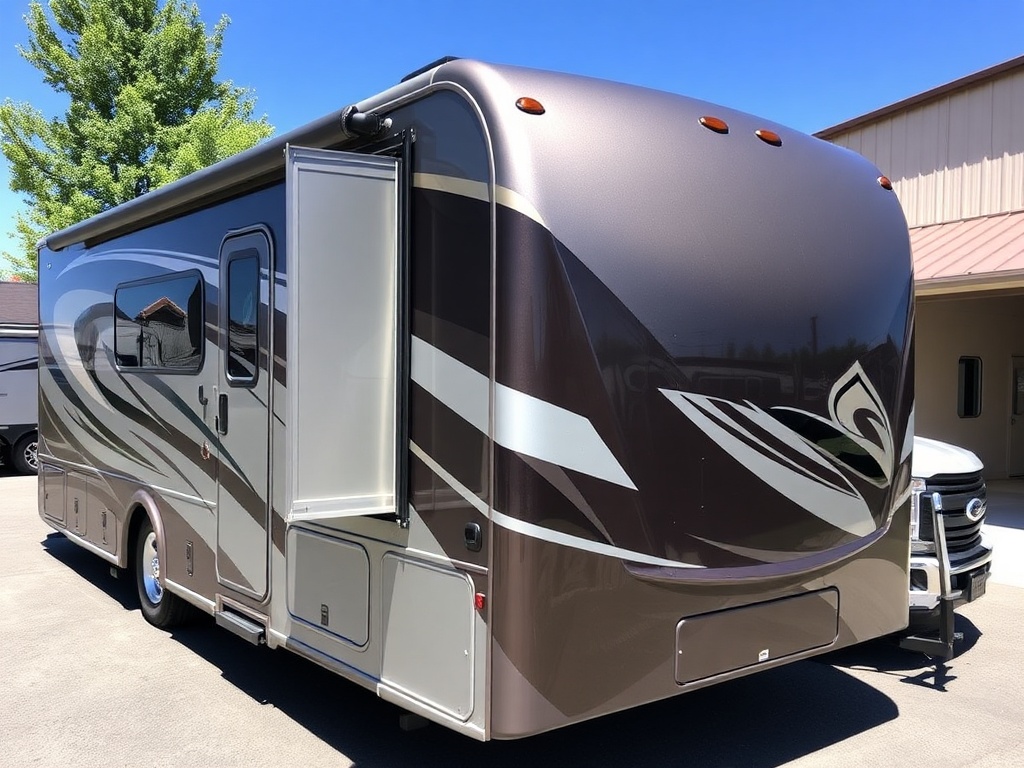
You’ve invested in professional ceramic coating to protect your vehicle’s paint—now it’s time to maintain that investment properly. Unlike wax that degrades predictably, ceramic coating requires a different maintenance approach. This comprehensive guide covers everything you need to know about ceramic coating maintenance with monthly, seasonal, and annual care routines specifically designed for Boise’s environment.
Understanding Ceramic Coating Maintenance
Why Ceramic Coating Maintenance Differs from Wax
Ceramic coating maintenance is fundamentally different from wax care:
Ceramic Coating Characteristics:
- Bonded to clear coat (not just sitting on surface)
- Doesn’t degrade predictably (doesn’t need regular reapplication)
- Hydrophobic properties maintained throughout life
- Requires proper cleaning to maintain effectiveness
- Maintenance extends durability beyond warranty period
Maintenance Focus:
- Prevent degradation through proper care
- Maintain hydrophobic properties
- Remove contaminants promptly
- Protect against environmental damage
- Extend coating life to 10+ years
What Proper Maintenance Accomplishes
Following a maintenance routine provides:
- Extended durability: 5-10 years becomes 10+ years with care
- Maintained performance: Water beading and gloss last entire coating life
- Prevented damage: Contaminants don’t etch into coating
- Warranty compliance: Maintain manufacturer warranty requirements
- Cost savings: Extends protection period, delays recoating need
Initial Curing and First 48 Hours (Critical)
The first two days determine your coating’s long-term success:
What Happens During Curing
Chemical Process:
- Ceramic coating continues hardening (80% hardness in 48 hours, 100% in 7 days)
- Bonds chemically with clear coat
- Water exposure can compromise bonding
- Temperature affects curing speed
- Contaminants can interfere with curing
Critical 48-Hour Rules
During the First 48 Hours:
- ✓ Park in covered location (garage, carport)
- ✓ Keep vehicle completely dry
- ✓ Avoid any water exposure (rain, sprinklers, washing)
- ✓ Don’t touch or lean on coating
- ✓ Maintain 60-80°F temperature if possible
- ✓ Avoid rapid temperature changes
Never During Curing:
- ✗ Drive in rain or wet conditions
- ✗ Expose to sprinklers
- ✗ Wash or touch the vehicle
- ✗ Park under trees or near water drips
- ✗ Park in humid locations
- ✗ Cover with tarps (traps moisture)
Extended Curing: First Week
Days 3-7 After Application:
- Avoid water exposure as much as possible
- If rain unavoidable, park in covered area and dry immediately after
- No automatic car washes
- No parking under sprinklers
- Minimize driving in wet conditions
- Wait for professional confirmation before washing
Why Extended Care Matters:
- Coating reaches 95%+ hardness by day 7
- Full hardness (100%) achieved at 30 days
- Any water during first week can create weak spots
- Proper curing ensures maximum durability
Basic Monthly Maintenance Routine
Week 1: Inspection and Assessment
Time Required: 10-15 minutes
Inspection Checklist:
- Check water beading (spray water and observe)
- Look for new contaminants
- Scan for damage or scratches
- Inspect undercarriage if applicable
- Check for water spots or mineral deposits
- Note any issues needing attention
What You’re Looking For:
- Loss of water beading (indicates maintenance needed)
- Dust or environmental fallout accumulation
- Bird droppings or tree sap
- Water spots or etching
- Visible damage or scratches
- Salt residue (if winter driving)
Weeks 2-4: Washing Routine
Time Required: 45 minutes to 1 hour
The Two-Bucket Method (Professional Standard)
Essential Supplies:
- Two 5-gallon buckets
- pH-neutral ceramic coating soap (not regular car wash)
- Soft microfiber wash mitt or cloth
- Soft microfiber drying towels (2-3)
- Grit guards for buckets (recommended)
- Garden hose with spray nozzle
- Optional: foam cannon for thorough coverage
Step-by-Step Process:
-
Pre-Rinse (5 minutes)
- Rinse entire vehicle with low-pressure water
- Remove loose dirt, dust, and debris
- Don’t use high pressure (can damage adhesion)
- Start from top, work downward
-
Bucket Setup (2 minutes)
- Fill first bucket with pH-neutral soapy water
- Fill second bucket with clean rinse water
- Place grit guards in bottom of both buckets
- Position buckets within easy reach
-
Wash Section by Section (20-30 minutes)
- Dip wash mitt in soapy bucket
- Wash one panel or section completely
- Use straight-line motions (not circular)
- Don’t scrub hard (let water and soap do work)
- Rinse mitt thoroughly in clean water bucket
- Wring out completely before next dip
- Repeat for each section (roof, hood, doors, trunk, etc.)
-
Final Rinse (5 minutes)
- Thoroughly rinse entire vehicle with clean water
- Make sure all soap residue is removed
- Pay special attention to body seams and crevices
- Complete rinse is critical
-
Drying (10 minutes)
- Dry immediately after rinsing
- Use clean microfiber towels
- Don’t let water air dry (causes spotting)
- Dry one section at a time
- Change towels when saturated
- Pay special attention to seams and crevices
Critical Rules:
- ❌ Never use automatic car washes
- ❌ Never use regular car wash soap
- ❌ Never use circular washing motions
- ❌ Never use high-pressure washers
- ❌ Never skip drying
- ✅ Always use two-bucket method
- ✅ Always use pH-neutral soap
- ✅ Always use soft microfiber materials
Ceramic Maintenance Spray Application (Optional)
When to Apply:
- After each wash (optional)
- After any harsh weather conditions
- Every 2-3 weeks for maintenance
- When water beading diminishes
Application Process:
- Clean vehicle completely first
- Dry thoroughly
- Spray coating-safe maintenance spray on clean microfiber cloth (not directly on paint)
- Wipe vehicle sections in straight motions
- Final buff with clean, dry microfiber towel
- Don’t overdo (one light application is sufficient)
Recommended Products:
- Ceramic coating manufacturer’s maintenance spray
- Professional-grade ceramic sealant spray
- Avoid generic “detailing spray” products
- Avoid products with silicones or waxes
Contaminant Removal: Immediate Action Required
Tree Sap Removal
Time Sensitivity: Remove within 24 hours
Immediate Action:
- Apply ceramic-safe sap remover or isopropyl alcohol to soft cloth
- Don’t apply directly to paint
- Gently press cloth against sap for 30 seconds to soften
- Gently work sap loose (don’t rub hard)
- Use microfiber cloth to lift sap away
- Repeat if necessary
- Wash and dry the area immediately
- Inspect for any etching
Products to Use:
- Clay bar (gentle and effective)
- Ceramic-safe sap remover
- Isopropyl alcohol (70-90% only)
- Avoid lacquer thinner or aggressive solvents
Why Timing Matters:
- Fresh sap is easier to remove
- Old sap etches into ceramic coating
- Left untreated, sap causes permanent damage
- 48-hour window is critical
Bird Droppings and Insect Splatter
Time Sensitivity: Remove within hours
Immediate Response:
- Don’t let sit more than a few hours
- Soften with water and ceramic-safe cleaner
- Use soft cloth (never scrub)
- Gently remove without creating additional scratches
- Wash area thoroughly with pH-neutral soap
- Dry completely
Why Immediate Removal Matters:
- Bird droppings are acidic
- Acid quickly etches ceramic coating
- 4-6 hours can cause permanent damage
- Professional detailing necessary if left 24+ hours
Road Salt and Mineral Deposits
Prevention is Best:
- Rinse vehicle immediately after road salt exposure
- Wash within 24 hours if possible
- Use deionized water for final rinse
- Pay special attention to undercarriage
- Dry completely to prevent mineral deposits
Treatment if Deposits Appear:
- Rinse area thoroughly
- Use clay bar or ceramic-safe cleaner
- Wash with pH-neutral soap
- Rinse with deionized water
- Dry completely
- Apply ceramic maintenance spray
Water Spots and Mineral Deposits
Prevention Strategy:
- Dry vehicle immediately after washing
- Use deionized or distilled water for final rinse
- Park away from automatic sprinklers
- Avoid parking under trees
- Cover vehicle if stationary in rain
Removing Light Water Spots:
- Use ceramic maintenance spray on microfiber cloth
- Gently wipe spotty areas
- Final buff with clean, dry cloth
- Usually resolves light spotting
Removing Moderate Spots:
- Soften with ceramic-safe cleaner
- Use clay bar for embedded deposits
- Follow with maintenance spray
- Professional deep clean may be needed
Removing Stubborn Spots:
- Professional polishing or paint correction may be required
- Contact professional detailer (don’t use abrasive methods yourself)
- Prevention is far easier than correction
Seasonal Maintenance Schedule
Boise’s seasonal changes require adjusted maintenance routines:
Spring Maintenance (March-May)
Spring Challenges:
- Dust season from drying landscape
- Tree pollen accumulation
- Spring rains bring water spots
- Winter damage to address
- Increased sun as season progresses
Spring Maintenance Tasks:
- Increase washing frequency: Weekly if dusty conditions
- Address pollen accumulation: Use maintenance spray
- Monitor for tree sap: From budding trees and plants
- Watch for water spots: From spring rains
- Assess winter damage: Check for salt damage
- Deep clean if needed: Professional detailing optional
- Inspect undercarriage: For road salt residue
- Start UV protection routine: Apply ceramic maintenance spray more frequently
Spring Maintenance Tips:
- Park in shade when possible
- Check water beading weekly
- Address contaminants immediately
- Monitor coating condition closely
- Plan for summer sun preparation
Summer Maintenance (June-August)
Summer Challenges:
- Intense high-altitude UV exposure
- Peak temperature reaching 90-100°F+
- Frequent sunshine (240+ days annually)
- Dust accumulation
- Summer thunderstorms and water spots
Summer Critical Tasks:
- Wash every 2 weeks minimum: Increased dust exposure
- Apply maintenance spray weekly: Boost hydrophobic properties
- Park in shade whenever possible: Minimize UV exposure
- Monitor water spots from storms: Address immediately
- Address dust accumulation: Dust embeds more in heat
- Check undercarriage monthly: Dust buildup
- Inspect for swirl marks: Heat and dust make them visible
Summer Maintenance Intensity:
- Increase washing frequency (biweekly minimum)
- More frequent maintenance spray application
- More aggressive contaminant removal
- Professional monthly wash optional but beneficial
- This is the most demanding maintenance season
Summer UV Protection:
- Ceramic coating provides protection, but prevention helps
- Park in shade when possible
- Use car cover for extended stationary periods
- Apply ceramic maintenance spray more frequently
- Consider professional UV protection refresh
Fall Maintenance (September-November)
Fall Challenges:
- Tree sap and leaves accumulation
- Transition to winter conditions
- Leaves and debris in seams
- Temperature fluctuations
- Preparation for harsh winter
Fall Maintenance Tasks:
- Address tree sap promptly: Leaves falling mean sap issues
- Deep clean accumulated residue: Summer and fall buildup
- Remove leaves from seams: Prevent moisture traps
- Professional detailing recommended: Prepare for winter
- Assess coating condition: Check for summer damage
- Prepare undercarriage: For winter salt exposure
- Apply protective topcoat: Optional but beneficial
- Schedule annual refresh: If doing so, now is good time
Fall Maintenance Focus:
- Cleanliness is critical before winter
- Professional deep cleaning is wise investment
- Address any damage before winter conditions
- Prepare vehicle for road salt exposure
- Get ahead of winter maintenance needs
Winter Maintenance (December-February)
Winter Challenges:
- Road salt exposure on highways
- Mineral deposits from deicing products
- Moisture and freeze-thaw cycles
- Low temperatures
- Winter driving hazards
Winter Critical Tasks:
- Wash immediately after road salt exposure: Within 24 hours
- Increase washing frequency: Every 1-2 weeks if traveling on salted roads
- Pay special attention to undercarriage: Where salt accumulates
- Use deionized water if available: Prevent mineral deposits
- Dry thoroughly: Prevent freeze-thaw damage
- Monitor for damage: Check undercarriage regularly
- Remove salt deposits: Immediately to prevent etching
- Protect wheels and undercarriage: High salt exposure areas
Winter Washing Specifics:
- Wash more frequently than other seasons
- Focus on undercarriage and wheel wells
- Use deionized water for final rinse
- Dry completely (don’t let freeze)
- Address road salt immediately
- Professional wash monthly optional but highly recommended
Winter Curing Conditions:
- Road salt is corrosive to ceramic coating
- Chemical resistance is excellent but not infinite
- Regular washing removes salt before damage
- This is the season requiring most maintenance attention
Monthly Maintenance Checklist
Week 1: Inspection
- Visual inspection for contaminants
- Water beading test
- Check for damage or scratches
- Scan undercarriage
- Note issues needing attention
- Check weather forecast for preparation
Week 2: Wash
- Complete two-bucket wash
- Microfiber drying
- Optional: Apply maintenance spray
- Final inspection
Week 3: Light Maintenance
- Inspect water beading performance
- Light maintenance spray application (if needed)
- Monitor for new contaminants
- Park in shade when possible
Week 4: Assessment
- Full vehicle inspection
- Check coating performance
- Assess any issues
- Plan next month’s focus
- Note seasonal changes
Quarterly (Seasonal) Deep Maintenance
Every 3 Months: Professional Inspection
Quarterly Tasks:
- Professional paint inspection
- Coating performance assessment
- Water beading test
- Contaminant review
- Professional maintenance spray application
- Deep inspection of high-wear areas
- Detailed documentation
- Recommendations for next quarter
Cost: Free to $75 (often included with service)
Seasonal Transitions
Spring-to-Summer Transition:
- Deep clean vehicle
- Professional UV protection assessment
- Apply protective topcoat
- Prepare for intense summer sun
- Stock up on pH-neutral soap
Summer-to-Fall Transition:
- Address summer damage or wear
- Deep detailing recommended
- Remove accumulated dust
- Prepare for winter conditions
- Professional assessment
Fall-to-Winter Transition:
- Professional detailing recommended
- Deep clean before salt season
- Assess coating condition
- Protective application recommended
- Prepare undercarriage protection plan
Winter-to-Spring Transition:
- Assess salt damage
- Professional detailing if needed
- Address any corrosion spots
- Deep clean vehicle
- Prepare for spring season
Annual Maintenance and Refresh
Annual Professional Ceramic Refresh (Highly Recommended)
Ceramic Refresh Service Includes:
- Professional paint inspection
- Paint correction if needed (for minor damage)
- Professional ceramic maintenance spray application
- Fresh protective topcoat application
- Warranty extension and verification
- Professional detailing and deep clean
- Complete vehicle inspection
- Documentation and recommendations
Annual Refresh Benefits:
- Extends warranty 1-3 additional years
- Refreshes hydrophobic properties
- Addresses minor damage
- Maintains peak performance
- Comparatively inexpensive ($200-500)
- Extends total coating life to 10+ years
Refresh Timing: Ideally in spring or fall for optimal conditions
Annual Inspection Checklist
Complete Annual Assessment:
- Paint thickness measurement
- Coating adhesion test
- Water beading performance check
- UV protection assessment
- Contaminant inspection
- Damage evaluation
- Warranty status review
- Performance metrics testing
- Maintenance routine evaluation
- Recommendations for next year
Annual Cost: Free to $75 for inspection
Products: What to Use and What to Avoid
Approved Ceramic Coating Products
pH-Neutral Soaps (Essential):
- Optimum No Rinse Wash and Wax
- Gyeon Bathe
- Ceramic PRO Wash
- Chemical Guys Citrus Wash & Coat
- Turtle Wax Ceramic Wash
- Always check product labels for “ceramic coating safe”
Maintenance Sprays (Recommended):
- Ceramic coating manufacturer’s spray
- Gyeon Bathe
- Ceramic PRO Slickness
- Adam’s Ceramic Spray Coating
- Professional-grade ceramic sealants only
Clay Bars and Cleaners:
- Ceramic-safe clay bar
- Professional detailing clay
- Ceramic-safe iron remover
- Ceramic-safe tar remover
Products to AVOID Completely
❌ Never Use These:
- Regular car wash soaps (too harsh)
- Dish soap (strips coating properties)
- Waxes or sealants (interfere with coating)
- Automatic car washes (chemicals and brushes)
- Acidic or harsh cleaners (etch ceramic)
- Abrasive compounds (scratch coating)
- Pressure washers (force water under coating)
- Silicone-based products (degrade coating)
- Ceramic enhancing waxes (interfere with hydrophobic properties)
Why Avoiding These Matters:
- Wrong products degrade coating faster
- Can create barriers that reduce effectiveness
- May void manufacturer warranty
- Create more work for future maintenance
- Can cause permanent damage
Equipment and Tools
Essential Equipment
Buckets and Washing:
- Two 5-gallon buckets (proper size)
- Grit guards (essential for two-bucket method)
- Microfiber wash mitt (soft, quality)
- Garden hose with spray nozzle
- Low-pressure rinse (no pressure washer)
Drying:
- Multiple microfiber drying towels (3-5)
- Quality microfiber (important for coating)
- Change towels as they become saturated
- Air compressor optional (for crevices)
Optional but Beneficial:
- Foam cannon (for thorough coverage)
- Spray bottle for maintenance products
- Headlamp (for detail work and inspection)
- Microfiber cleaning cloths (for detailing)
- Clay bar kit
- Professional detailing spray
Equipment Investment
Minimal Setup ($100-150):
- Basic buckets, grit guards, wash mitt, drying towels
Complete Setup ($200-400):
- Quality buckets, professional wash mitt, multiple towels, spray bottles, clay bar kit, maintenance products
Premium Setup ($400+):
- Foam cannon, professional-grade supplies, detailing equipment, storage and organization
Common Maintenance Mistakes to Avoid
Mistake 1: Using Wrong Soap
The Problem: Regular car wash soap degrades ceramic coating
Why It Happens: Owners don’t realize soap selection matters
The Solution: Always use pH-neutral ceramic coating soap
Prevention: Read product labels, confirm “ceramic safe”
Mistake 2: Skipping Drying
The Problem: Water spots etch into coating
Why It Happens: Assumes coating prevents water spotting
The Solution: Always dry completely after washing
Prevention: Keep schedule (wash, dry, done)
Mistake 3: Ignoring Contaminants
The Problem: Contaminants etch into coating over time
Why It Happens: Owners don’t know quick action is important
The Solution: Remove contaminants immediately
Prevention: Weekly inspection, immediate removal
Mistake 4: Using Automatic Car Washes
The Problem: Harsh chemicals and brushes degrade coating
Why It Happens: Convenience factor
The Solution: Only wash by hand with proper method
Prevention: Plan time for monthly washing
Mistake 5: Applying Wax
The Problem: Wax creates barrier that damages coating
Why It Happens: Owners confuse ceramic with other coatings
The Solution: Never apply wax over ceramic coating
Prevention: Understand ceramic coating doesn’t need wax
Mistake 6: Neglecting Winter Care
The Problem: Road salt degrades coating rapidly
Why It Happens: Owners reduce maintenance in winter
The Solution: Increase maintenance during winter season
Prevention: Adjust maintenance schedule seasonally
Mistake 7: Skipping Professional Maintenance
The Problem: Coating doesn’t reach full lifespan potential
Why It Happens: Cost concerns or not understanding importance
The Solution: Professional refresh extends coating life significantly
Prevention: Budget for annual professional refresh
Professional Maintenance Services
When to Seek Professional Help
Professional Services Include:
- Monthly professional maintenance wash ($50-150)
- Quarterly deep detailing ($150-300)
- Annual ceramic refresh ($200-500)
- Professional contaminant removal
- Paint correction for damage
- Maintenance spray professional application
Signs You Need Professional Help:
- Water no longer beads effectively
- Visible swirl marks or damage
- Dull or hazy coating appearance
- Stuck-on contaminants
- Deep scratches or damage
- Coating nearing end of warranty period
- Uncertain about maintenance procedures
Professional Service Benefits
- Expertise and experience
- Professional-grade equipment
- Warranty compliance and extension
- Optimal results
- Peace of mind
- Longer coating life
Long-Term Maintenance: Years of Durability
Year-by-Year Performance Expectations
Year 1: Peak performance with excellent water beading and maximum gloss
Years 2-3: Slight water beading reduction; gloss remains excellent; strong protection
Years 4-5: More noticeable beading reduction; gloss slight decrease; protection still excellent
Years 5-7: Annual refresh maintains warranty; protection remains excellent; gloss maintained
Years 7-10: Regular maintenance extends life; annual refresh every 1-2 years; still protective
10+ Years: With diligent maintenance and professional refresh every 1-2 years, coating can remain effective beyond 10 years
Factors Affecting Long-Term Performance
- Maintenance routine: Consistent care extends life significantly
- Environmental exposure: Boise’s UV and salt affect durability
- Contaminant management: Quick removal prevents damage
- Professional care: Annual refresh extends warranty
- Product selection: Using correct products is critical
- Driving conditions: Heavy travel reduces lifespan
- Initial application quality: Professional installation affects longevity
Eagle Star Detail Professional Maintenance Support
Eagle Star Detail offers comprehensive ceramic coating maintenance support:
Professional Services:
- Monthly maintenance washes
- Quarterly deep detailing
- Annual ceramic refresh with warranty extension
- Professional contaminant removal
- Paint correction for damage
- Complete maintenance planning
- Expert advice and guidance
- Service throughout Boise and surrounding areas
Why Choose Professional Maintenance:
- Expertise with ceramic coatings
- Professional-grade products and equipment
- Warranty compliance and extension
- Optimal long-term results
- Time and effort savings
- Peace of mind
Final Maintenance Philosophy
The key to maximizing ceramic coating life:
- Consistency matters more than perfection: Regular basic care beats occasional perfection
- Prevention is easier than correction: Quick action on contaminants protects the coating
- Use only ceramic-safe products: Protect your investment with proper supplies
- Seasonal adjustments work: Adapt your routine to Boise’s climate changes
- Professional maintenance pays: Annual refresh extends life significantly
- Keep detailed records: Track washing dates, products, and any issues
- Address issues early: Small damage becomes expensive if ignored
- Maintain your warranty: Follow requirements to keep protection active
Summary Maintenance Schedule
Weekly: Inspect vehicle, park in shade when possible
Every 2 Weeks: Complete two-bucket wash with pH-neutral soap, dry thoroughly
Monthly: Deep inspection, assess coating performance, address any issues
Quarterly: Professional inspection, seasonal adjustments, maintenance plan review
Annually: Professional ceramic refresh, complete assessment, warranty extension
Following this comprehensive maintenance routine will extend your ceramic coating’s life from 5-10 years to 10+ years, maintaining beautiful protection and performance throughout.
Need professional ceramic coating maintenance support? Contact Eagle Star Detail for expert guidance and services. Our Boise team specializes in ceramic coating care that extends your coating’s life and keeps your vehicle protected.
About the Author
David Faustina
Founder & Certified Ceramic Coating Installer
David Faustina is a professionally trained and certified detailer specializing in paint correction, ceramic coating installation, and RV detailing. As founder of Eagle Star Detail, he personally works on every vehicle to ensure premium results and customer satisfaction.
Ready to experience professional detailing?
Eagle Star Detail specializes in professional mobile detailing throughout Boise and the Treasure Valley.